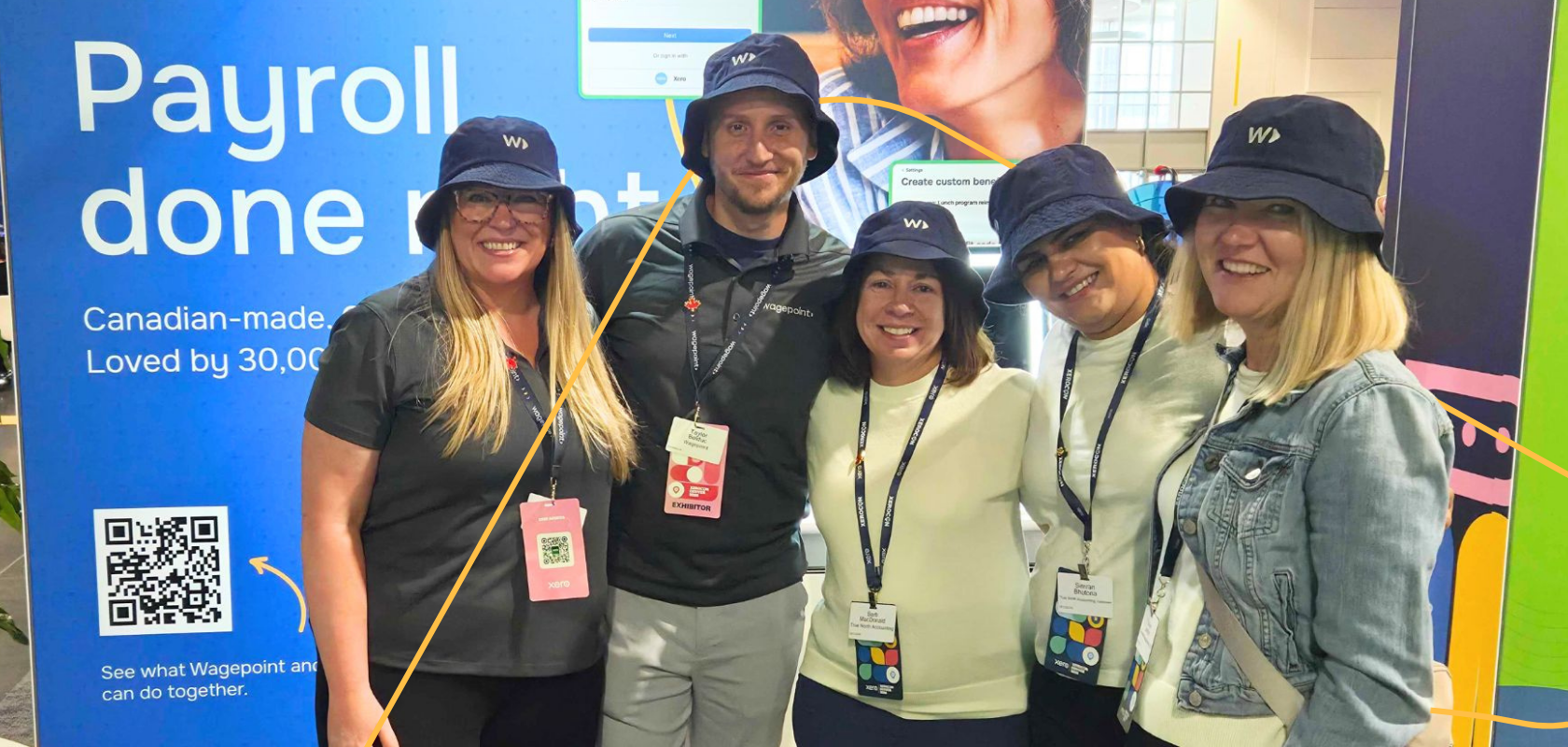
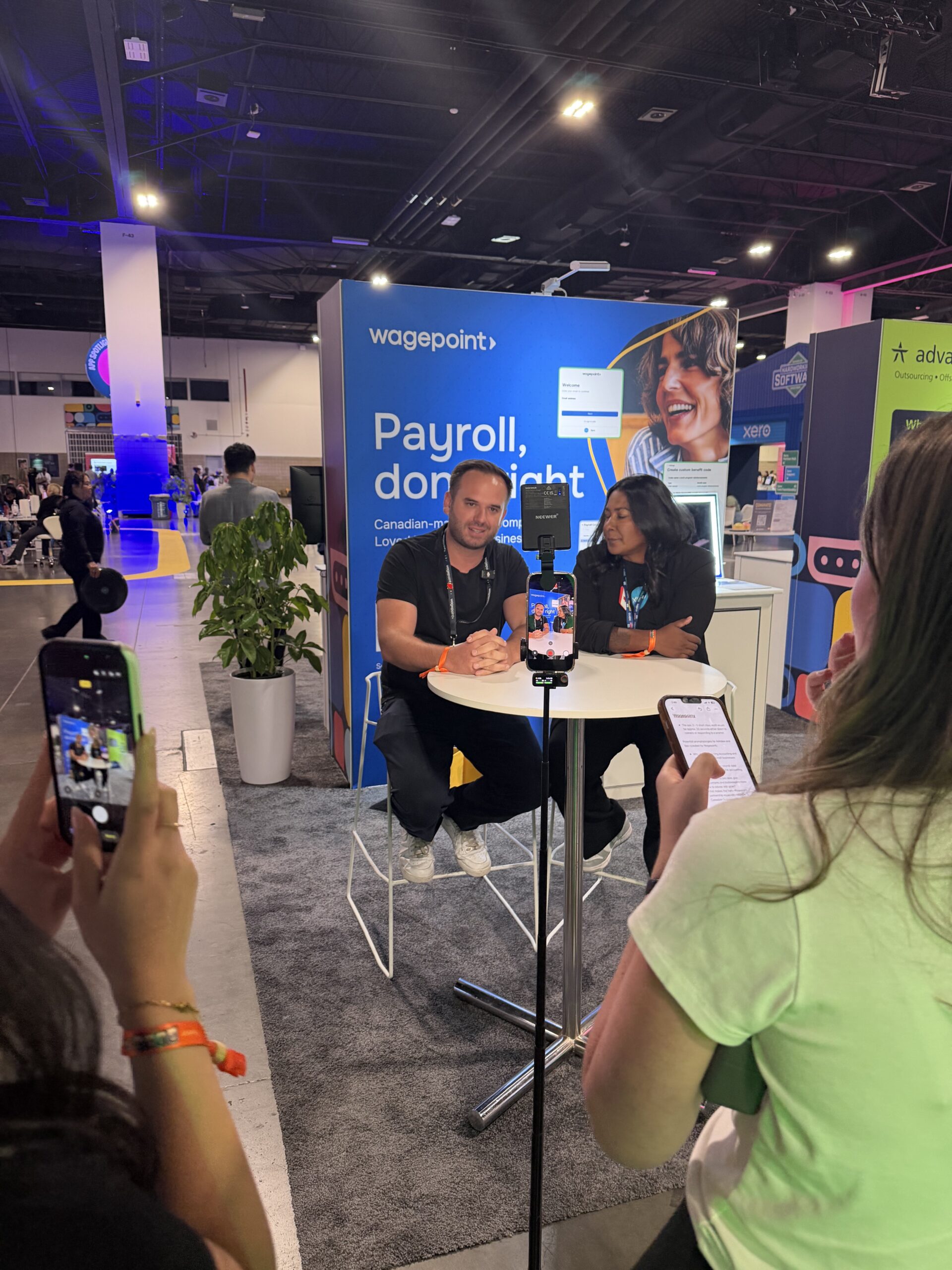
A conference tradeshow floor can tell you a lot about what tech companies want you to buy. We know — we’re one of them. But for me, the real value of Xerocon 2026 wasn’t the products themselves being showcased. It was the conversations happening around them.
What are accounting firms struggling with? What do they expect from their technology partners? And what industry themes are trending?
Xerocon is a preview of what’s coming
Last month’s Xerocon took place in the U.S., but the shifts it put on display are global. The event offers a preview of where the profession is heading, and highlights what Canadian firms should be thinking about right now.
The value of attending isn’t necessarily about finding the next feature to implement on Monday morning. It’s about getting a sense of what’s becoming normal in other markets before those expectations reach Canadian businesses.
Banking is one example.
Canadian accounting systems still contend with less reliable bank data and a financial system where money moves differently than in the U.S. As that evolves, the impact won’t simply be faster payments. It will change what accounting and payroll software can access, automate and do in real time.
AI is another.
The conversation has moved well beyond “Should accountants use AI?”. The more important question now is where AI belongs within the workflow — reconciliation, routine tasks, identifying anomalies, surfacing insights and connecting systems.
AI is moving from something accountants experiment with to something built into the software and systems they already use. We’re thinking about it the same way at Wagepoint: where can AI make payroll easier and more accurate? One example is our new AI payroll summary tool that can flag unusual changes, acting like a second set of eyes before payroll runs.
For accounting firms, the takeaway isn’t that every new AI capability needs to be adopted immediately. It’s that AI is becoming part of the infrastructure behind the tools firms use every day, and firms should be thinking about how that changes their workflows and client engagements.

Successful firms treat technology as a partner
What I find particularly interesting about the Xero ecosystem is how deliberately it brings technology partners into the conversation.
Walk the Xerocon floor and you don’t just see an accounting platform showcasing its own products. You see an ecosystem of companies building around it — payroll, payments, practice management and other tools designed to extend what accounting firms can do.
That creates choice for firms, but it also raises the bar.
Technology partners increasingly need to answer some fairly straightforward questions:
Does this save my team time?
Does it work with the tools we already rely on?
Will it continue to improve as our business changes?
And does it help solve tomorrow’s problems, not just today’s?
Payroll is a perfect example.
For many firms, payroll can sit somewhat apart from the accounting workflow, with its own deadlines, processes and compliance considerations. That may be manageable when a practice is small, but as firms grow and client expectations increase, disconnected systems create unnecessary work.
When accounting, payroll, and other systems can exchange information cleanly, firms spend less time moving data between systems and more time using that information to serve their clients.
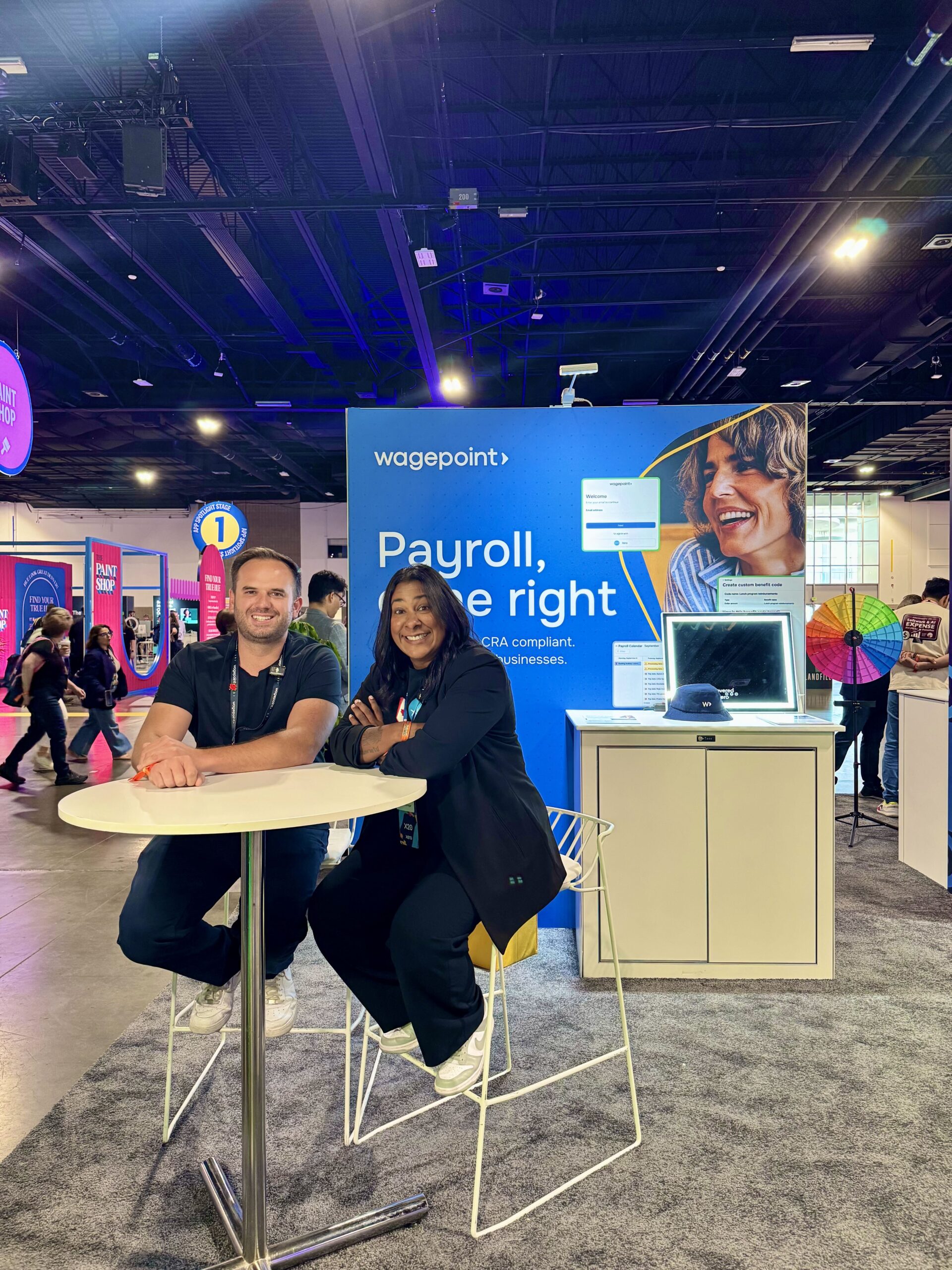
That’s the thinking behind our continued focus on the integration between Wagepoint and Xero, connecting payroll and accounting more closely. It was great to spend time with many of our mutual partners in Denver, and a good moment to showcase our newly enhanced integration with Xero.
As integrations become easier and more sophisticated, we expect connected systems to become something our clients count on as a baseline, not a differentiator.
The firms getting ahead of that shift aren’t necessarily adding more software. They’re being more intentional about the technology they already partner with, choosing tools that work together, automate routine work and create capacity for the advisory their clients value so much.
That’s the kind of relationship we are building with the accounting and bookkeeping firms we partner with at Wagepoint. [insert WagePro+ link?]
The next generation of firms will be built differently
Another theme that came through at Xerocon was the changing expectations of business owners, and, as a result, the professionals who serve them.
The new generation of entrepreneurs has grown up with connected technology. They expect data to move between systems. They expect workflows to connect. And they increasingly expect software to remove work rather than create more of it.
Those expectations have inevitably extended to their accountants and bookkeepers.
I see that as an opportunity for firms willing to rethink what their role looks like.
The accountant of the future won’t necessarily be the person who knows the most software. They’ll be the person who knows how to build an environment where the right technology does the right work. That then creates more time for the judgment, advice and relationships that technology can’t replace.
That’s a very different proposition from simply becoming a more efficient version of the traditional accounting firm.



What Canadian firms can bring home from Denver
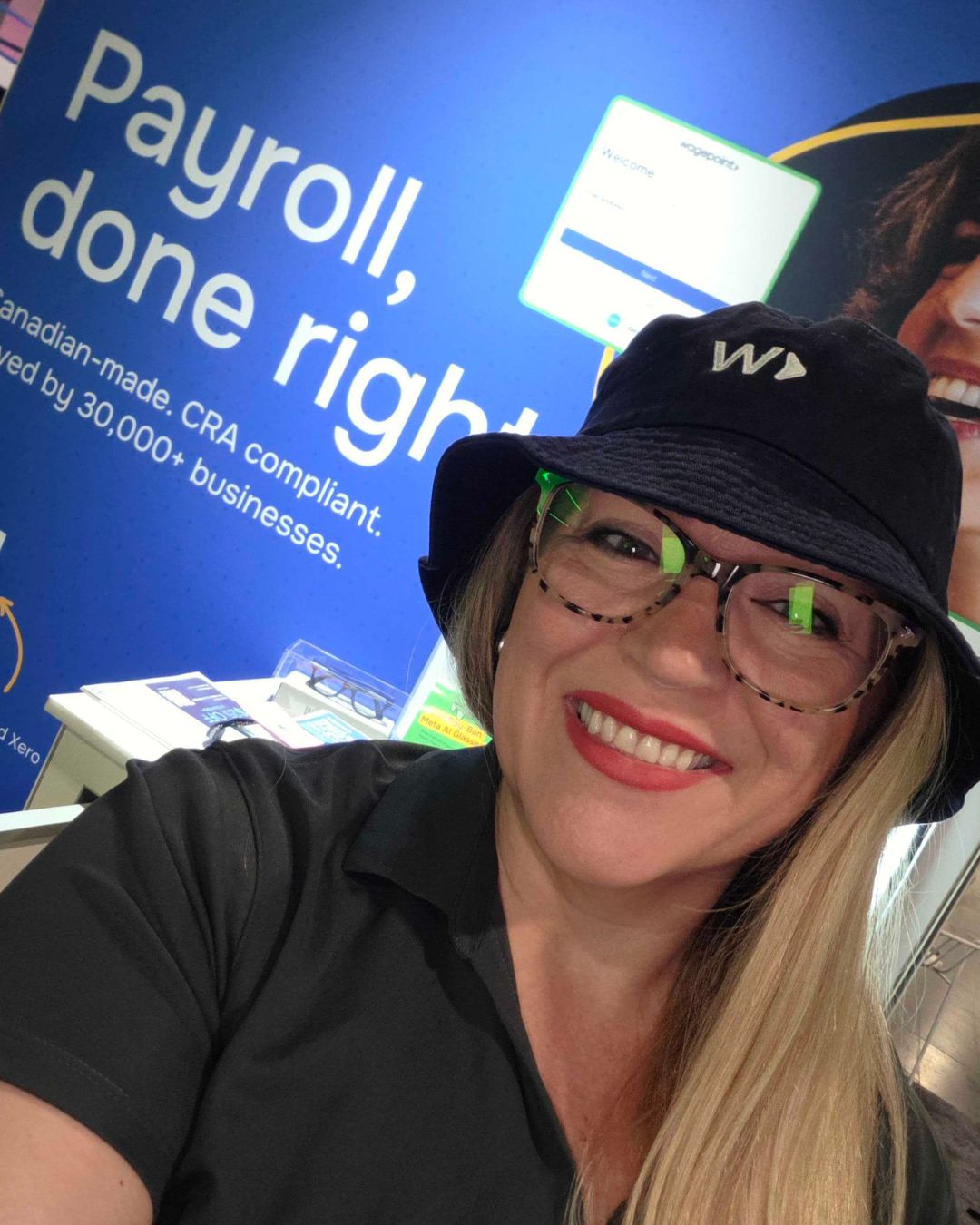
At Xerocon, Canadian accountants and bookkeepers were comparing notes, asking harder questions about their practices and thinking seriously about what needs to change to stay relevant as client expectations evolve.
That, ultimately, is what I brought home from Denver.
The future of accounting isn’t going to arrive through one big product launch. It’s going to show up incrementally. Through better integrations, more intelligent workflows, stronger connectivity and changing expectations from the businesses accounting firms serve.
Canadian firms don’t need to wait for those changes to become standard here before preparing for them.
The opportunity is to look ahead, understand what’s coming and start building the firm clients will expect tomorrow.