
If FINTRAC sounds like one more acronym standing between you and payday, we get it. It’s one of those terms that can feel overly complicated — especially if you’re just trying to run your business and pay your team.
FINTRAC has always played a role in keeping Canada’s financial system secure, but recent updates are making it more visible for small businesses running payroll.
Here’s what you need to know about FINTRAC, why it matters, and what changes for you and your small business.
What is FINTRAC?
FINTRAC is the Financial Transactions and Reports Analysis Centre of Canada. It’s a government agency that helps detect and prevent money laundering and terrorist financing.
Its job is to keep money moving safely through the Canadian financial system — and yes, that includes the money you move every payday.
Why FINTRAC touches your payroll
Every payroll run moves real money — often a lot of it — between bank accounts. That makes payroll part of the financial system FINTRAC is built to protect.
Because of that, payroll providers across Canada, including Wagepoint, are required to follow FINTRAC rules. That responsibility flows through to the businesses we serve.
What’s actually changing for you
You might be thinking: “I’m just running payroll, what does this have to do with me?”
Short answer: more than you’d expect.
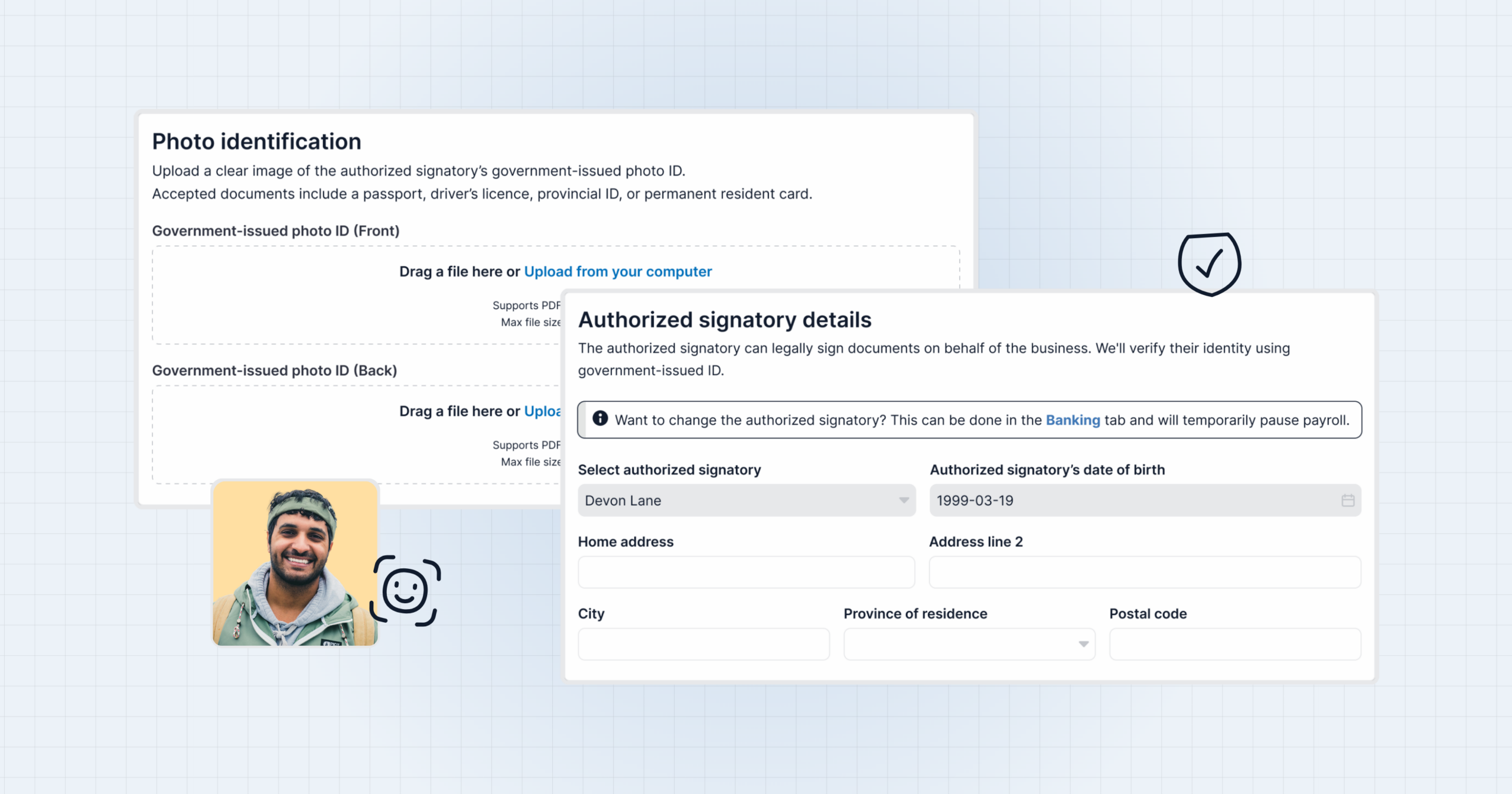
New business and identity verification measures are now in place for Canadian small businesses that run payroll through a software solution. This includes things like signing a business attestation document to confirming ownership and director details for your business.
These checks help ensure that:
- Your payroll funds land where they should
- Businesses are who they say they are
- Fraud and suspicious activity gets flagged early
FINTRAC compliance means fewer surprises — like unexpected holds or delays when it’s time to pay your team.
Why now? A shift toward stronger payroll security
Across Canada, there’s a growing focus on strengthening financial security and reducing fraud. And the numbers back it up.
Research by the Association of Certified Fraud Examiners (ACFE) shows:
- Payroll fraud accounts for 15% of workplace fraud in Canada and the U.S.
- These cases often go undetected for 18 months
- The average loss is $2,800 per month
That adds up to more than $30,000 in potential losses for your business. And in some cases, the impact is even bigger.
The bottom line: Peace of mind for your payroll
As financial risks grow, so do the safeguards. FINTRAC requirements are part of a broader effort to protect businesses like yours. And payroll platforms are evolving alongside these changes to help keep your payroll secure.
It’s easy to think of FINTRAC compliance as just another box to check. But in a world where payroll fraud is rising, it plays a bigger role.
FINTRAC helps protect your business, your payroll, and your team’s pay. It isn’t about adding red tape — it’s about building safer, more resilient systems for small businesses across Canada.